

Safer Cleaning with Nanobubble Drones

Safer Cleaning with Nanobubble Drones
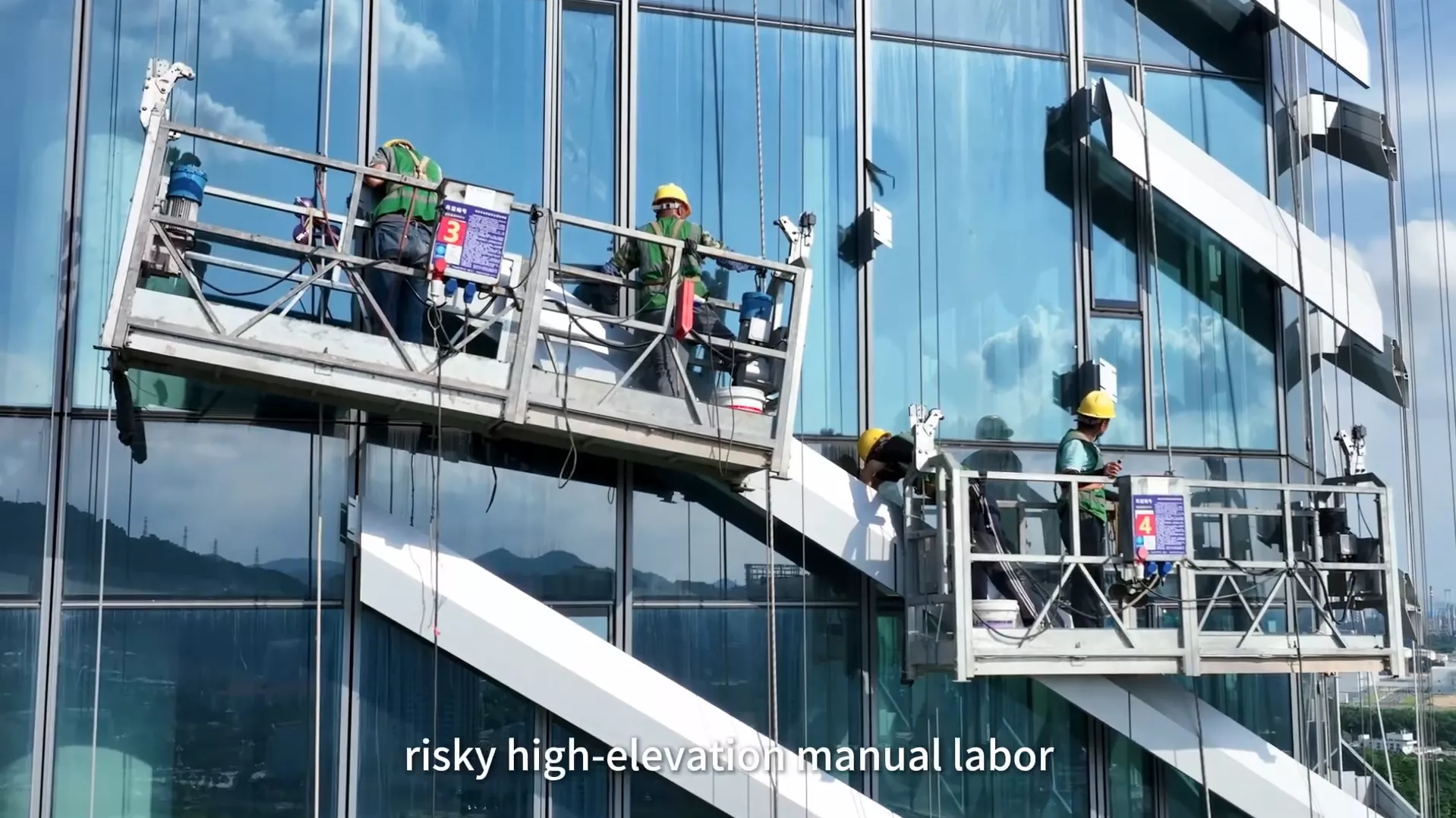
You may not think much about how campus windows, facades, and solar panels are cleaned — until you realise it often involves water, detergents, manual work, and high-elevation safety risks.
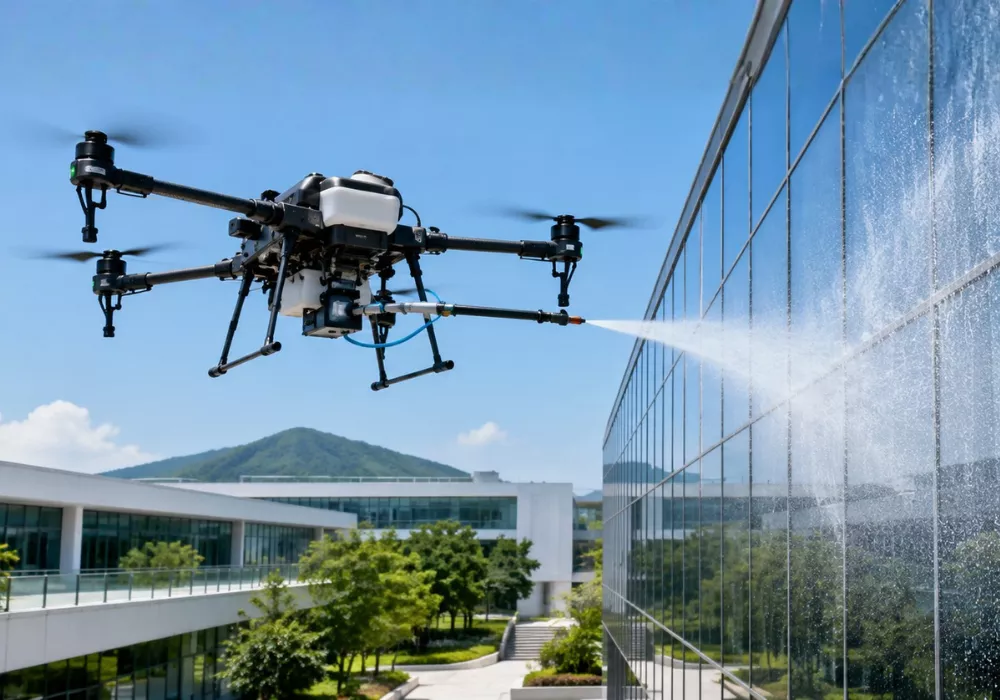
This project introduces an innovative, eco-friendly solution: a drone-assisted cleaning platform powered by nanobubble technology. By pairing smart drones with microscopic gas bubbles that naturally lift dirt, the system achieves a thorough clean while cutting water and detergent use by up to 50%. It offers an efficient, automated alternative that slashes operational costs, eliminates worker safety risks, and protects building surfaces—setting a new benchmark for smart city maintenance.
How can this technology help?
Maintaining high-rise glass facades and solar panels typically requires dangerous high-elevation manual scrubbing and harsh chemicals that harm the environment. Adopting Nanobubble technology results in several benefits, including:
- Pollution & Waste Reduction: Conventional cleaning relies heavily on strong chemical detergents and massive amounts of water. The resulting chemical runoff pollutes local water systems and increases the city’s environmental footprint.
- Energy Efficiency: Dust, soot, and organic residues form a film over glass facades and solar panels. On solar arrays, this directly blocks sunlight and drops energy yields. Keeping them clean restores power output by 30% to 40%.
- Asset Longevity: Standard harsh scrubbing causes micro-scratches and wears down protective surface coatings over time. A gentler, chemical-free clean extends the lifespan of expensive building materials, preventing premature and costly replacements.
How do nanobubbles and drones work together?
Cleaning drones provide safe, rapid access to high-elevation areas, but they face strict weight and payload limits that prevent them from carrying heavy water volumes or generating the high-pressure blasts typically needed to shift tough grime. Nanobubbles—microscopic gas bubbles—perfectly overcome this limitation by radically improving how water spreads and lifts dirt at a microscopic level. By mixing these nanobubbles into the water supply, the system can break down stubborn stains and biofilm residues using very little water and zero aggressive mechanical scrubbing. This creates a perfect partnership where the drone acts as the agile, safe delivery vehicle, while the nanobubbles provide the high-efficiency cleaning power within a low-volume, low-pressure spray.
What could this change on campus?
This project transforms the campus into a "living laboratory" for green robotics, visibly cutting operational waste and costs.
- Safer, Less Disruptive Maintenance: It replaces high-risk manual labor on suspended gondolas with safe, controlled drone operations. To keep pedestrians dry, the drones use specialized downward-facing nozzles.
- Drastic Resource Savings: Campus operations will see an immediate drop of up to 50% in water and chemical usage, alongside a 30% reduction in overall cleaning costs. Simultaneously, solar energy generation will see a major boost from more effective and accessible cleaning.
- Hands-On Education: The project opens up direct learning pipelines for students and staff. It provides undergraduate internships, research assistantships, and interactive workshops across environmental engineering, chemistry, and smart campus sustainability.